
Industrial energy systems require more than affordable fuel. They require predictable combustion, stable thermal output, reliable logistics, and long-term operational consistency. That is exactly why biomass procurement has become a strategic process rather than a simple purchasing activity.
In recent years, rice husk pellets have attracted increasing attention from power plants, industrial boiler operators, and international biomass traders because they offer scalable agricultural availability and competitive fuel economics. However, large-scale procurement creates challenges that many buyers underestimate during the early stages of sourcing.
A supplier may offer attractive pricing, yet fail to maintain stable moisture levels. Another supplier may produce acceptable samples, but struggle to handle continuous export volumes. In some cases, buyers focus heavily on calorific value while ignoring logistics reliability, storage conditions, or combustion behavior inside industrial systems.
As procurement volumes increase, those small oversights often evolve into operational problems.
This rice husk pellet procurement guide explains how professional industrial buyers evaluate suppliers, reduce procurement risks, secure long-term fuel stability, and optimize biomass purchasing strategies for industrial operations.
Why Procurement Quality Directly Affects Industrial Performance
Many industrial facilities initially evaluate biomass fuel mainly from a purchasing perspective. In reality, procurement quality affects almost every part of plant operations.
Fuel inconsistency can reduce combustion efficiency, increase downtime frequency, destabilize steam production, and raise maintenance requirements. Meanwhile, weak logistics coordination may interrupt fuel supply schedules and create inventory pressure.
For industrial users consuming thousands of tons monthly, procurement decisions influence:
- Combustion stability
- Boiler efficiency
- Fuel consumption
- Maintenance scheduling
- Ash handling workload
- Production continuity
- Energy cost predictability
Because of that, experienced buyers rarely focus on pricing alone. Instead, they evaluate procurement from both technical and operational perspectives.
A cheaper fuel source may eventually generate higher operational costs if the pellets produce unstable combustion, excessive ash accumulation, or frequent feeding problems.
Why Long-Term Procurement Planning Matters
Short-term spot purchasing may work for smaller operations, but large-scale biomass systems require long-term procurement planning.
Power plants and industrial heating facilities usually operate continuously. Consequently, fuel interruptions can affect production targets, operational scheduling, and maintenance planning simultaneously.
Long-term procurement planning helps industrial buyers:
- Stabilize fuel supply
- Improve logistics forecasting
- Reduce emergency purchasing
- Maintain combustion consistency
- Build supplier accountability
- Improve pricing predictability
As biomass demand continues to grow globally, stable supplier relationships become increasingly valuable.
Understanding Rice Husk Pellet Characteristics Before Procurement
Professional procurement begins with understanding the material itself.
Rice husk pellets behave differently from many other biomass fuels because rice husks naturally contain high silica content and unique combustion characteristics. Buyers who ignore those characteristics often face operational surprises later.
Moisture Content and Fuel Stability
Moisture remains one of the most critical procurement considerations.
Pellets with unstable moisture content can create inconsistent combustion temperatures inside industrial boilers. In addition, excessive moisture reduces usable thermal energy because part of the combustion process must evaporate water before generating stable heat.
High moisture may also create problems during:
- Ocean shipping
- Warehouse storage
- Conveyor handling
- Silo feeding
- Long-term stock management
Experienced buyers therefore evaluate not only moisture numbers on paper, but also the supplier’s ability to maintain consistency across continuous production batches.
A supplier producing excellent laboratory samples does not automatically guarantee stable industrial-scale production.
Ash Characteristics and Operational Impact
Rice husk pellets naturally produce silica-rich ash because rice husks themselves contain mineral compounds from agricultural processing.
That characteristic does not necessarily reduce biomass value. However, buyers must understand how the ash behaves inside their combustion systems.
Poor ash management may contribute to:
- Clinker formation
- Heat transfer reduction
- Airflow disruption
- Increased cleaning frequency
- Boiler shutdowns
Industrial operators should therefore evaluate ash behavior during procurement discussions instead of treating ash content as a secondary issue.
Pellet Density and Transportation Efficiency
Dense pellets generally provide better transportation efficiency because they maximize container payload while improving combustion consistency.
At the same time, good density usually improves pellet durability during handling and shipping.
Weak pellet structure may generate excessive dust during:
- Container loading
- Port handling
- Inland transportation
- Conveyor transfer
- Warehouse unloading
Over time, excessive dust reduces usable fuel volume while increasing operational cleaning requirements.
Rice Husk Pellet Procurement Guide for Power Plants
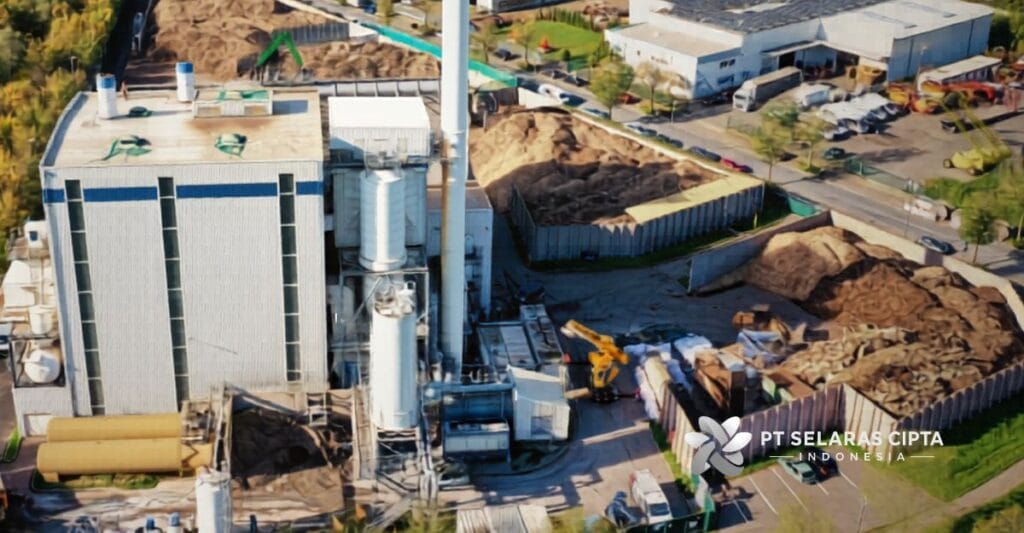
Power plants require highly stable biomass supply systems because fuel disruptions directly affect electricity generation and operational continuity.
Unlike smaller industrial users, power facilities usually consume biomass continuously in large volumes. Because of that, procurement strategy becomes closely connected with long-term plant reliability.
Evaluate Supplier Production Capacity Carefully
Many suppliers can handle small trial shipments successfully but struggle when buyers increase procurement volume.
Therefore, industrial buyers should verify actual production capability before signing long-term agreements.
Important evaluation areas include:
- Daily production capacity
- Number of production lines
- Raw material sourcing stability
- Warehouse capacity
- Packaging capability
- Loading infrastructure
Large biomass contracts require operational scalability, not just competitive quotations.
Analyze Seasonal Raw Material Stability
Rice husk availability often depends on regional agricultural cycles. Consequently, buyers should understand how suppliers manage raw material continuity during seasonal fluctuations.
Professional biomass producers usually maintain broader sourcing networks to reduce raw material instability.
Without strong sourcing systems, suppliers may struggle to maintain consistent production during peak demand periods.
Verify Export Readiness
Export readiness involves much more than container loading.
Reliable exporters should demonstrate organized operational systems covering:
- Production scheduling
- Packaging procedures
- Moisture protection
- Loading supervision
- Export documentation
- Shipment coordination
Power plants operating under strict fuel schedules cannot afford unreliable logistics execution.
Request Consistent Technical Documentation
Professional biomass procurement requires technical transparency.
Buyers should request:
- Moisture analysis
- Calorific value testing
- Ash analysis
- Bulk density data
- Durability testing
- Production specifications
Consistent documentation helps procurement teams evaluate whether the supplier can maintain stable quality over long-term contracts.
Rice Husk Pellet Procurement Guide for Industrial Boilers
Industrial boilers require stable fuel characteristics to maintain efficient thermal performance and reliable steam generation.
Even small specification fluctuations may influence combustion efficiency significantly.
Because of that, boiler operators should approach procurement strategically rather than transactionally.
Match Fuel Characteristics with Boiler Design
Different combustion systems react differently to biomass fuel behavior.
Some boilers tolerate moderate variability, while others require highly stable fuel parameters.
Industrial buyers should therefore evaluate compatibility between pellet characteristics and:
- Feeding systems
- Combustion chamber design
- Airflow configuration
- Ash handling systems
- Operating temperatures
Fuel procurement should support operational stability rather than complicate combustion management.
Reduce Combustion Instability
Poor biomass quality often creates unstable flame conditions inside industrial boilers.
Several common fuel-related problems include:
- Uneven combustion temperatures
- Feeding interruptions
- Excessive smoke generation
- Irregular thermal output
- Ash accumulation
Although low-cost pellets may appear financially attractive initially, unstable combustion often increases long-term operational expenses.
Consequently, experienced boiler operators prioritize consistency instead of chasing the lowest pricing.
Prevent Excessive Maintenance Downtime
Procurement quality directly affects maintenance frequency.
For example, poor pellet durability may generate excessive dust, which can interfere with fuel feeding systems. Meanwhile, unstable ash behavior may accelerate clinker buildup and increase shutdown frequency.
Long-term procurement decisions should therefore consider total operational efficiency rather than fuel pricing alone.
Plan Fuel Storage Alongside Procurement
Storage planning should begin before the first shipment arrives.
Even high-quality pellets may deteriorate rapidly under poor warehouse conditions. Moisture exposure, poor ventilation, and improper inventory rotation can gradually reduce combustion performance.
Industrial buyers managing large fuel volumes should therefore develop proper storage systems alongside procurement planning.
For storage strategies and warehouse recommendations, buyers can also review this rice husk pellets storage guide.
Rice Husk Pellet Procurement Guide for Importers
International biomass importers face additional procurement complexity because supply chains involve multiple operational stages across different countries.
As procurement volume grows, logistics reliability becomes just as important as fuel quality itself.
Verify Supplier Credibility Before Large Orders
Many procurement failures originate from weak supplier verification.
Before committing to large-scale contracts, importers should evaluate:
- Factory ownership
- Export experience
- Production transparency
- Existing customer references
- Operational consistency
- Communication responsiveness
Whenever possible, buyers should conduct direct factory audits or use independent inspection agencies.
Professional suppliers usually welcome verification because it strengthens long-term business relationships.
Understand Actual Production Capability
Some exporters advertise production volumes far beyond their real operational capacity.
This issue becomes especially dangerous for buyers requiring stable monthly shipments.
Importers should therefore verify:
- Production scalability
- Raw material sourcing networks
- Loading infrastructure
- Packaging systems
- Warehouse capacity
- Operational workforce
Long-term procurement requires realistic operational planning rather than marketing claims.
Monitor Loading and Shipment Procedures
Quality control should continue during the loading process itself.
Even properly manufactured pellets may deteriorate during careless handling.
Experienced importers often monitor:
- Container cleanliness
- Moisture exposure during loading
- Packaging conditions
- Weight consistency
- Loading density
- Final container sealing
This additional supervision helps reduce quality disputes after shipment arrival.
Evaluate Logistics Coordination
Large-scale biomass procurement depends heavily on logistics efficiency.
Shipment delays may quickly affect industrial fuel inventory and production scheduling.
Consequently, importers should evaluate:
- Port accessibility
- Container availability
- Inland transportation
- Vessel scheduling stability
- Documentation handling
- Export coordination
Strong logistics systems often separate experienced exporters from inexperienced suppliers.
How Professional Buyers Evaluate Rice Husk Pellet Suppliers
Professional procurement teams rarely evaluate suppliers based only on price.
Instead, they analyze whether the supplier can support long-term operational reliability.
Assess Production Consistency
Stable quality matters more than occasional high-performance samples.
Industrial buyers should evaluate whether suppliers can consistently maintain:
- Moisture stability
- Pellet dimensions
- Calorific consistency
- Ash behavior
- Minimal dust generation
Long-term consistency reduces operational uncertainty significantly.
Evaluate Communication Responsiveness
Large-scale biomass procurement requires constant coordination across production, logistics, and shipping activities.
Delayed communication often indicates operational disorganization.
Professional suppliers usually provide:
- Faster technical responses
- Transparent scheduling updates
- Clear documentation
- Responsive operational coordination
- Better shipment visibility
Good communication becomes increasingly important as procurement volume increases.
Analyze Supply Chain Stability
Raw material sourcing directly affects production continuity.
Suppliers depending on unstable sourcing networks may struggle during seasonal fluctuations.
Therefore, buyers should understand how suppliers secure continuous rice husk availability throughout the year.
Strong sourcing networks generally improve long-term supply reliability.
Common Procurement Mistakes Industrial Buyers Should Avoid
Many biomass procurement problems originate from preventable mistakes.
Unfortunately, those mistakes often become expensive once industrial operations scale up.
Choosing Suppliers Based Only on Price
The cheapest quotation rarely delivers the lowest operational cost.
Low-quality pellets may increase:
- Fuel consumption
- Maintenance frequency
- Downtime risk
- Cleaning workload
- Ash disposal costs
As a result, operational inefficiencies may eventually exceed initial purchasing savings.
Ignoring Moisture Variability
Some suppliers provide excellent samples but fail to maintain consistent moisture during bulk production.
Consequently, combustion performance may fluctuate significantly between shipments.
Professional buyers therefore evaluate long-term consistency rather than isolated samples alone.
Underestimating Logistics Complexity
International biomass procurement involves multiple logistics stages simultaneously.
Without strong coordination, problems may occur during:
- Container scheduling
- Port handling
- Customs clearance
- Inland transportation
- Warehouse unloading
Reliable logistics planning helps reduce operational disruption significantly.
Failing to Prepare Storage Systems
Storage problems often begin before buyers realize their impact.
Poor warehouse conditions may gradually reduce fuel quality through moisture exposure and ventilation issues.
Industrial buyers should prepare:
- Dry warehouse facilities
- Proper airflow systems
- Inventory rotation procedures
- Moisture protection systems
- Temperature monitoring
Storage planning should become part of procurement strategy from the beginning.
Why Indonesian Rice Husk Pellets Continue to Attract Global Buyers
Indonesia remains one of the world’s largest rice-producing countries, creating abundant rice husk availability throughout the year.
That agricultural foundation supports scalable biomass production for international industrial markets.
In addition, Indonesian rice husk pellets continue attracting global buyers because of:
- Competitive production economics
- Expanding export infrastructure
- Growing manufacturing capacity
- Renewable energy demand
- Long-term biomass availability
As global industries continue transitioning toward lower-carbon energy systems, rice husk pellets increasingly become an attractive fuel option for industrial heating and power generation.
Building Long-Term Procurement Partnerships
Successful biomass procurement rarely depends on one-time transactions.
Instead, long-term partnerships often create better operational stability for both suppliers and buyers.
Strong procurement relationships may improve:
- Production planning
- Shipment scheduling
- Fuel consistency
- Technical coordination
- Pricing stability
Over time, suppliers also gain deeper understanding of the buyer’s operational requirements, helping improve procurement efficiency further.
Conclusion
Industrial biomass procurement requires technical evaluation, operational planning, and long-term strategic thinking. This becomes especially important for companies purchasing large rice husk pellet volumes for power plants, industrial boilers, and international distribution.
This rice husk pellet procurement guide demonstrates that successful procurement involves far more than comparing prices alone. Buyers must evaluate fuel consistency, supplier reliability, export readiness, logistics coordination, storage planning, and operational compatibility before committing to long-term biomass supply contracts.
For industrial buyers, better procurement strategy can improve combustion stability, reduce operational disruptions, strengthen energy security, and support more efficient long-term biomass operations.
Planning large-scale biomass procurement? Talk with our team about rice husk pellets quality, shipment capability, monthly supply volume, and customized export solutions.