
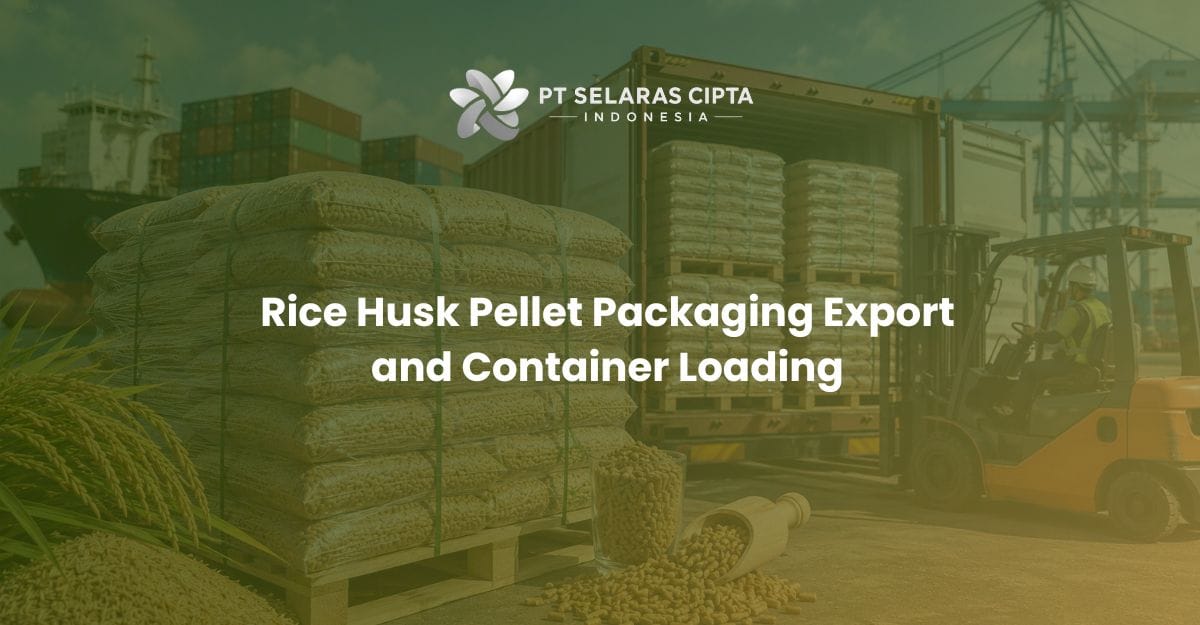
Rice husk pellets require proper packaging and container loading in order to maintain stable fuel quality during international shipment. Unlike several conventional industrial materials, biomass pellets remain highly sensitive to moisture, pressure, humidity, and rough handling throughout transportation processes.
Consequently, poor packaging systems may reduce pellet durability, increase biomass dust formation, and weaken combustion performance before the shipment even reaches the buyer.
Because of this situation, rice husk pellet packaging export and container loading have become increasingly important for industrial biomass suppliers and international buyers. Proper export preparation not only protects biomass fuel quality but also improves transportation efficiency, reduces operational risk, and supports more reliable industrial combustion performance.
Many industrial biomass buyers focus heavily on calorific value, ash content, and moisture specifications. However, improper packaging may eventually damage even high-quality pellets during export shipment. Therefore, packaging quality and container loading management should receive the same level of attention as biomass production itself.
Why Rice Husk Pellet Packaging Export Is Important
Industrial biomass shipment involves long transportation routes, changing environmental conditions, and repeated loading activities. As a result, biomass pellets may experience gradual quality degradation when packaging systems fail to provide sufficient protection.
Packaging Protects Biomass Fuel Quality
Proper packaging helps maintain pellet structure, minimise moisture exposure, and reduce handling damage during transportation.
Moisture Protection During Shipment
Several environmental factors may expose biomass fuel to excessive humidity during export shipment, especially during ocean transportation. Rice husk pellets naturally absorb moisture from surrounding air, particularly under unstable storage conditions.
Important moisture protection factors include:
- Biomass pellets absorb humidity easily.
- Excess moisture reduces calorific value.
- Proper packaging maintains fuel stability.
When moisture content increases excessively, combustion efficiency may decline significantly. Wet pellets also produce less stable burning conditions inside industrial boilers and co-firing systems. Consequently, export packaging should minimise direct exposure to humidity throughout transportation and storage processes.
Professional exporters commonly use jumbo bags combined with inner protective liners in order to reduce moisture penetration during shipment. This approach helps maintain more stable biomass quality upon arrival.
Packaging Reduces Pellet Damage
Besides moisture exposure, physical pressure during transportation may also damage pellet structure considerably. Weak packaging systems often increase pellet breakage during loading, unloading, and container movement.
Several operational risks may occur during improper handling:
- Broken pellets create excessive biomass dust.
- Dust may disrupt industrial feeding systems.
- Strong packaging improves handling efficiency.
Biomass dust accumulation may eventually affect combustion consistency and increase housekeeping requirements inside industrial fuel systems. Therefore, durable packaging materials remain essential for maintaining pellet integrity during export shipment.
Rice Husk Pellet Packaging Export Systems
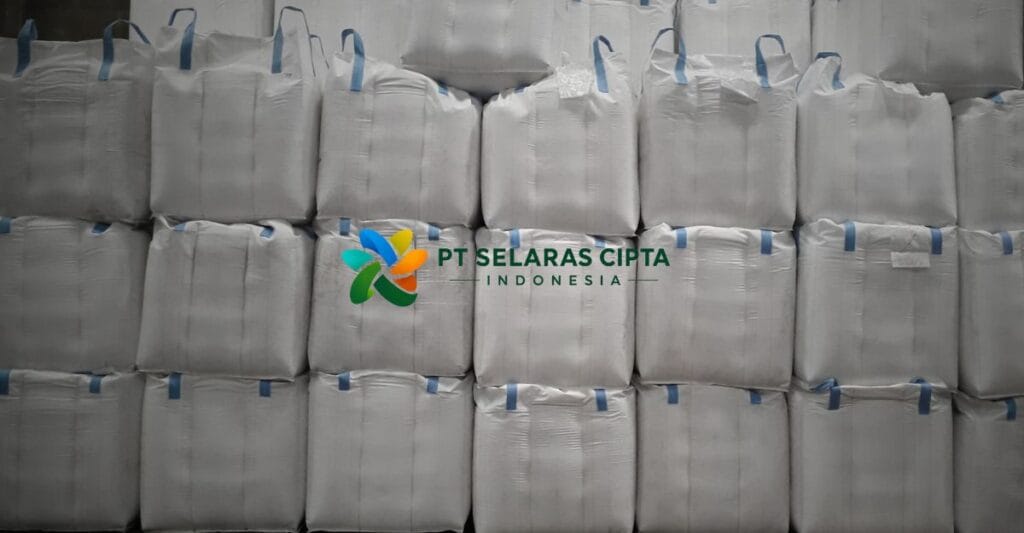
Industrial biomass exporters usually select packaging systems based on shipment volume, transportation method, buyer requirements, and operational efficiency targets.
Jumbo Bag Packaging for Industrial Shipment
Jumbo bags remain one of the most widely used packaging systems for industrial biomass export because they support efficient handling while protecting pellet condition during shipment.
Flexible Packaging for Bulk Export
Large-scale biomass shipment requires packaging systems capable of supporting fast loading and unloading operations. Jumbo bags help simplify export handling considerably while maintaining relatively stable pellet protection.
Advantages of jumbo bag systems include:
- Jumbo bags simplify export handling.
- Large capacity improves loading efficiency.
- Protective liners reduce moisture penetration.
In many industrial biomass projects, jumbo bags also improve warehouse organisation and container loading efficiency. Forklift operators can move packaged biomass more safely compared to loose bulk material.
Moreover, jumbo bag systems help reduce direct pellet exposure during transportation, thereby supporting cleaner export operations and more stable biomass condition.
Packaging Specifications and Capacity
Packaging configuration may vary depending on shipment requirements and buyer specifications. Some industrial buyers request customised packaging arrangements based on unloading systems and storage infrastructure.
Several packaging considerations include:
- Packaging depends on buyer requirements.
- Strong materials improve transportation safety.
- Proper sealing supports shipment stability.
For industrial biomass export, jumbo bag capacity commonly ranges from a minimum of 700 kg up to 1000 kg per bag depending on loading strategy, pellet density, and buyer requirements. Larger capacity packaging helps improve container loading efficiency while reducing handling frequency during transportation.
Strong packaging materials become particularly important during long-distance export because repeated movement and stacking pressure may weaken lower-quality bags over time.
Proper sealing also helps minimise external contamination and moisture exposure throughout transportation routes.
Rice Husk Pellet Packaging Export and Container Loading
Besides packaging quality, container loading arrangement also influences biomass condition during international shipment. Poor loading configuration may create uneven pressure distribution and increase pellet damage risk.
Proper Container Loading Improves Shipment Safety
Professional loading systems help maintain shipment stability while improving transportation efficiency.
In most industrial biomass export operations, a 20 feet container can typically accommodate around 20 to 28 jumbo bags depending on bag dimensions, loading configuration, and total weight limitations.
When using jumbo bags with capacities ranging from 700 kg to 1000 kg, total shipment volume commonly reaches approximately 20 to 28 tonnes per container.
However, actual loading capacity may vary according to pellet density, packaging arrangement, container condition, and export regulations in the destination country. Proper weight distribution remains extremely important because uneven loading may increase packaging pressure and reduce shipment stability during sea transportation.
20 Feet Container Loading Arrangement
Many industrial biomass exporters utilise 20 feet containers because they provide efficient shipment capacity while supporting easier export handling.
Several loading considerations remain important:
- Proper stacking maximises container capacity.
- Balanced loading reduces packaging pressure.
- Efficient arrangement improves shipment stability.
Improper stacking may create excessive compression pressure on lower jumbo bags, potentially damaging pellet structure during transportation. Consequently, loading arrangement should distribute weight evenly throughout the container.
In addition, efficient loading configuration helps reduce container movement during sea transportation, thereby improving shipment safety further.
Container Inspection Before Loading
Container preparation plays an equally important role in protecting biomass fuel quality. Even high-quality packaging may fail to protect pellets when containers contain excessive moisture or structural damage.
Several inspection points should receive attention before loading:
- Containers should remain dry and clean.
- Moisture inside containers may damage pellets.
- Structural inspection improves shipment safety.
Export teams should inspect container flooring, sidewalls, roofing condition, and ventilation areas carefully before shipment begins. Any water leakage or excessive humidity inside containers may gradually damage biomass quality during transportation.
Therefore, professional exporters usually conduct detailed inspection procedures before container loading operations start.
Moisture Control During Biomass Export
Moisture control remains one of the most critical aspects of rice husk pellet packaging export and container loading because humidity exposure may significantly reduce fuel performance.
Environmental Exposure During Shipment
International shipment exposes biomass fuel to changing temperatures and varying environmental conditions throughout transportation routes.
Sea Transportation and Humidity Risk
Ocean transportation frequently creates high humidity conditions inside shipping containers, especially during long-distance export routes involving changing climates.
Several humidity-related risks include:
- Ocean shipment increases humidity exposure.
- Condensation may weaken pellet durability.
- Protective liners minimise moisture absorption.
Temperature fluctuation between daytime and nighttime conditions may also create condensation inside containers. When condensation accumulates excessively, biomass pellets may absorb moisture gradually.
Consequently, moisture protection systems should remain a major priority during export preparation.
Ventilation and Airflow Management
Proper airflow management helps reduce condensation risk while supporting more stable biomass condition during transportation and storage.
Important ventilation considerations include:
- Proper airflow reduces condensation risk.
- Dry storage maintains pellet condition.
- Temperature fluctuation affects biomass stability.
Warehouse storage before shipment also affects export quality considerably. Poor warehouse ventilation may increase humidity exposure even before biomass enters export containers.
Because of this, professional biomass suppliers usually maintain dry storage areas combined with controlled ventilation systems before shipment loading begins.
Export Logistics for Rice Husk Pellet Shipment
Efficient logistics management supports smoother biomass transportation while reducing operational disruption during international shipment.
Handling Systems and Transportation Efficiency
Industrial biomass shipment requires careful coordination between warehouse handling, loading operations, transportation schedules, and export documentation.
Efficient Loading and Unloading Processes
Professional handling systems help reduce pellet breakage while improving operational efficiency during shipment preparation.
Important handling factors include:
- Proper handling reduces pellet breakage.
- Fast loading minimises operational delay.
- Careful unloading protects packaging condition.
Forklift operators and loading teams should maintain careful handling procedures throughout transportation activities because rough movement may weaken pellet structure and damage packaging.
Efficient loading operations also help reduce unnecessary shipment delays at warehouses and port facilities.
Reliable Export Coordination
Export coordination directly influences shipment reliability and long-term industrial supply consistency.
Several logistics elements remain important:
- Logistics management affects shipment schedules.
- Export documentation supports customs clearance.
- Reliable delivery improves procurement stability.
Delayed biomass shipment may eventually disrupt industrial boiler operation and fuel supply schedules. Therefore, professional export coordination becomes extremely important for industrial biomass procurement projects.
Conclusion
Rice husk pellet packaging export and container loading involve far more than simple transportation preparation. Proper packaging systems protect pellet durability, minimise moisture exposure, reduce biomass dust formation, and support more stable combustion performance for industrial applications.
At the same time, professional container loading arrangements help improve shipment safety, transportation efficiency, and export reliability during long-distance delivery.
Because biomass fuel remains highly sensitive to humidity and physical pressure, industrial buyers should evaluate packaging quality and export handling systems carefully before entering long-term procurement agreements.
For companies seeking reliable industrial biomass supply, export packaging solutions, and professional rice husk pellet shipment support, contacting PT. Selaras Cipta Indonesia may help support long-term renewable energy and industrial biomass projects.