
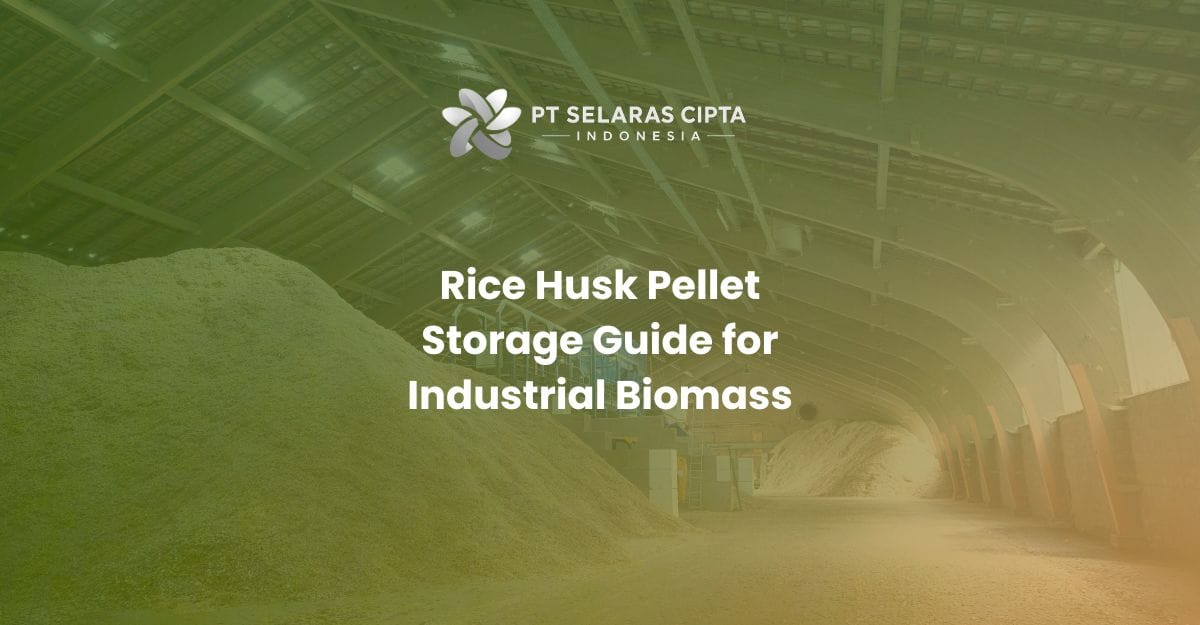
Industrial biomass users continue to increase their demand for rice husk pellets because the material offers stable combustion, competitive pricing, and better sustainability performance compared to many fossil fuels. However, many importers focus heavily on calorific value, ash content, and shipment schedules while overlooking one critical factor: storage management.
A poor storage system can quickly reduce pellet quality, increase operational risks, and create unnecessary financial losses. Even premium-grade pellets may absorb moisture, generate excessive dust, or lose combustion efficiency when operators store them incorrectly. As a result, boilers may consume more fuel, combustion may become unstable, and maintenance costs may rise faster than expected.
This rice husk pellet storage guide explains practical storage strategies for industrial biomass buyers, especially importers handling thousands to tens of thousands of tons per month. Instead of discussing only basic warehouse recommendations, this guide focuses on real industrial challenges such as humidity control, bulk handling efficiency, fire prevention, shipping conditions, and long-term stock management.
Why Proper Rice Husk Pellet Storage Matters
Rice husk pellets naturally interact with surrounding air. In other words, they continuously absorb and release moisture depending on environmental conditions. Because of this characteristic, storage quality directly affects combustion performance.

When pellets absorb excessive moisture, several operational problems may appear:
- Lower calorific value
- Inconsistent combustion temperature
- Increased smoke generation
- Higher ash accumulation
- Reduced feeding efficiency in boilers
- More frequent shutdowns for maintenance
Furthermore, damaged pellets create additional dust during handling. Excessive dust not only reduces usable fuel volume but also increases fire and explosion risks inside enclosed storage areas.
For industrial buyers, storage problems rarely affect only one department. Instead, the impact often spreads across logistics, production efficiency, maintenance scheduling, and fuel budgeting.
Therefore, a well-designed storage strategy protects both pellet quality and operational stability.
Understanding the Characteristics of Rice Husk Pellets
Before discussing warehouse systems, importers should understand the physical behavior of rice husk pellets.
Compared to wood pellets, rice husk pellets generally contain:
- Higher silica content
- Different ash behavior
- Stronger surface hardness
- Higher resistance to biological degradation
- Unique combustion characteristics
Even so, rice husk pellets still react strongly to moisture exposure. Once pellets absorb water, their structure gradually weakens. Eventually, they may crack, expand, or crumble during handling.
At the same time, environmental temperature fluctuations can create condensation inside containers or warehouses. Although operators may not immediately notice the moisture buildup, the pellets can slowly deteriorate over time.
Consequently, industrial biomass storage requires more than simply stacking products inside a building.
Key Challenges in Industrial Rice Husk Pellet Storage
Moisture Exposure During Storage
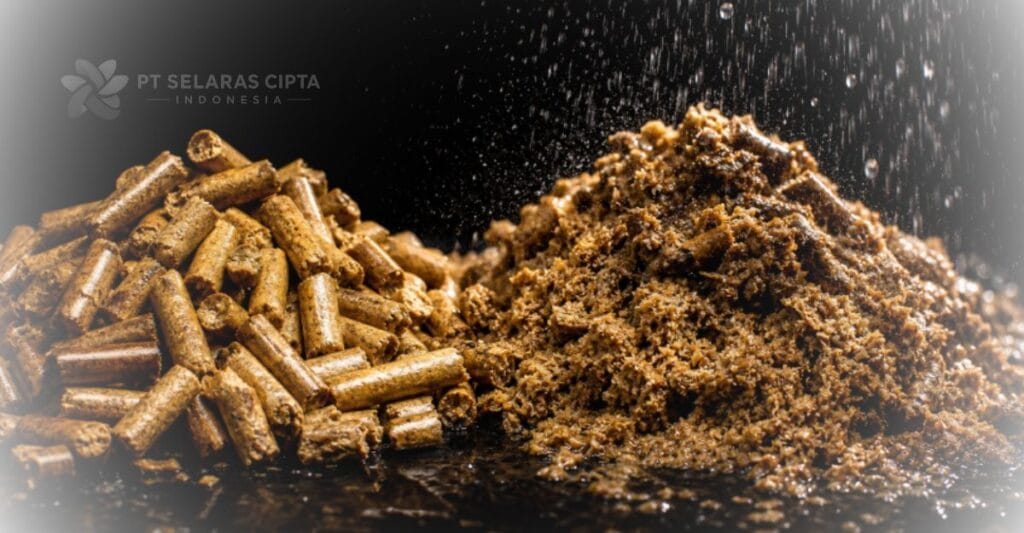
Moisture remains the biggest enemy of biomass pellets.
Even a small increase in moisture content can significantly reduce combustion efficiency. For example, pellets stored in humid environments often require more energy during ignition and combustion. As a result, boilers may consume more fuel to achieve the same thermal output.
In tropical regions, humidity levels can rise rapidly, especially near ports or coastal industrial zones. Therefore, importers should prioritize moisture protection from the first unloading process until final consumption.
Condensation Inside Shipping Containers
Many importers assume sealed containers automatically protect biomass fuel. Unfortunately, container condensation frequently becomes a hidden problem during international shipping.
Temperature differences between daytime and nighttime conditions may generate water droplets inside the container walls and ceiling. Over time, the moisture can drip onto the pellets.
This condition becomes more severe during long-distance sea freight.
Because of that, exporters and importers should use:
- Proper container ventilation
- Moisture absorbers
- Waterproof inner lining
- Controlled loading conditions
Dust Formation During Handling
Dust accumulation creates multiple operational problems simultaneously.
First, dust reduces product value because broken pellets cannot perform as efficiently as intact pellets. Second, excessive dust can interfere with automated feeding systems. Third, biomass dust may increase explosion risks in enclosed industrial environments.
Rough unloading procedures often worsen the issue. For instance, dropping pellets from excessive heights can damage pellet integrity very quickly.
Therefore, industrial facilities should optimize conveyor systems, loading angles, and transfer points to minimize pellet breakage.
Long-Term Storage Degradation
Although rice husk pellets generally offer good storage stability, poor storage conditions can still reduce quality over time.
Several factors accelerate degradation:
- High humidity
- Poor airflow
- Water leakage
- Direct ground contact
- Frequent temperature fluctuations
If operators ignore these conditions for several months, pellet durability may decline significantly.
As a result, combustion efficiency may become inconsistent across different production batches.
Recommended Warehouse Conditions for Rice Husk Pellets
Industrial biomass storage requires a balance between protection, airflow, operational efficiency, and safety.
Instead of focusing only on warehouse size, buyers should evaluate the entire storage environment.
Maintain Low Humidity Levels
Low humidity helps preserve pellet density and combustion stability.
Ideally, storage facilities should maintain relative humidity below 65%. Once humidity rises too high, pellets begin absorbing moisture from surrounding air.
Moreover, high humidity can encourage condensation formation during temperature changes.
To reduce moisture exposure, facilities should use:
- Industrial ventilation systems
- Dehumidifiers
- Roof insulation
- Proper airflow management
- Weather-resistant wall structures
Keep Pellets Away from Direct Floor Contact
Concrete floors may transfer moisture into pellet stacks, especially in humid climates.
Therefore, operators should never place jumbo bags or loose pellets directly on warehouse floors.
Instead, facilities should use:
- Wooden pallets
- Plastic pallets
- Elevated flooring systems
This simple step greatly improves airflow beneath the product while reducing moisture migration.
Improve Air Circulation
Good airflow prevents heat buildup and moisture accumulation.
However, airflow should remain balanced. Excessive direct airflow may create dust movement, while insufficient airflow may trap humidity inside the warehouse.
Large industrial storage facilities often use:
- Ridge ventilation
- Sidewall ventilation
- Mechanical exhaust systems
- Air circulation fans
Together, these systems help maintain stable storage conditions throughout the facility.
Protect the Warehouse from Water Intrusion
Even small roof leaks can damage large quantities of biomass pellets over time.
Consequently, warehouse inspections should become part of routine operational maintenance.
Operators should regularly inspect:
- Roof joints
- Drainage systems
- Wall seams
- Loading dock areas
- Container unloading zones
Fast preventive maintenance usually costs far less than replacing damaged biomass inventory.
Best Storage Methods for Bulk Rice Husk Pellets
Different industrial operations require different storage approaches.
Therefore, buyers should choose storage systems based on monthly consumption volume, handling infrastructure, and operational workflow.
Jumbo Bag Storage
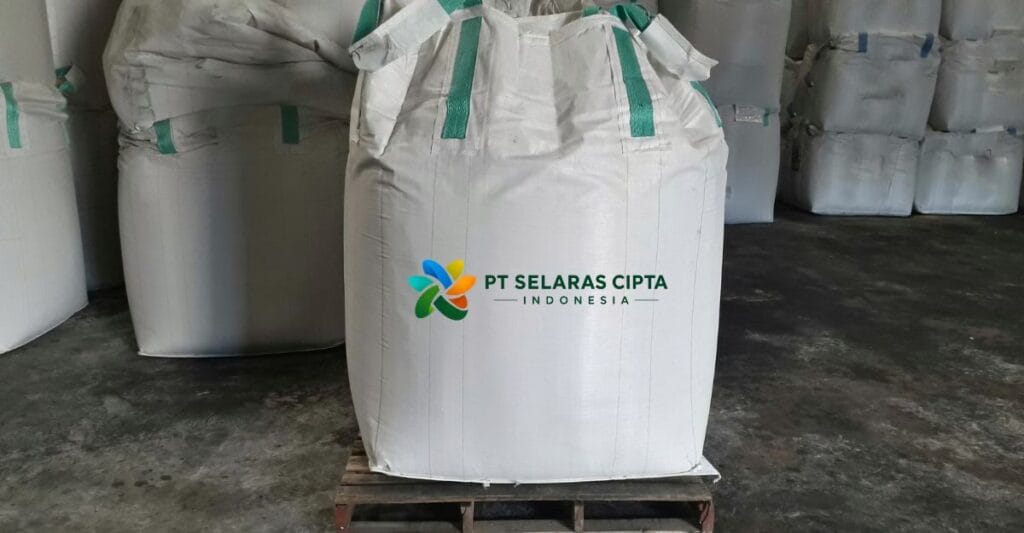
Many industrial buyers prefer jumbo bags because they simplify handling and inventory management.
Advantages include:
- Easier transportation
- Better moisture protection
- Faster inventory counting
- Cleaner warehouse conditions
- Reduced contamination risk
Additionally, jumbo bags allow facilities to separate different production batches more efficiently.
However, operators should still protect the bags from direct sunlight and rain exposure.
Flat Warehouse Storage
Flat storage works well for facilities handling very large volumes.
This method allows flexible stock management and easier loader access. Nevertheless, operators must carefully monitor pile height, airflow, and internal heat buildup.
Otherwise, lower layers may experience compaction problems over time.
Silo Storage Systems
Some large biomass users utilize silo systems for automated fuel feeding.
Silos improve operational efficiency because they support continuous fuel transfer into combustion systems. In addition, silos reduce manual handling requirements.
Even so, silo storage requires strict monitoring for:
- Internal temperature
- Dust concentration
- Airflow conditions
- Bridging problems
Without proper monitoring, material flow issues may interrupt boiler operations.
Read also: Premium Rice Husk Pellet Production Process
How Long Can Rice Husk Pellets Be Stored?
Under proper conditions, rice husk pellets can remain stable for many months.
However, storage duration depends heavily on environmental conditions and handling quality.
For best performance, many industrial users implement FIFO (First In, First Out) inventory management. This approach reduces the risk of long-term degradation while maintaining consistent fuel quality.
Generally, operators should avoid storing biomass fuel for excessive periods without regular inspection.
Routine quality checks may include:
- Moisture testing
- Visual inspection
- Pellet durability checks
- Dust level monitoring
- Combustion sampling
Through regular monitoring, facilities can detect problems before operational efficiency declines.
Rice Husk Pellet Handling Tips During Import Operations
Storage quality begins during unloading.
Even high-quality pellets may deteriorate rapidly if workers use poor handling procedures.
Reduce Drop Heights During Transfer
Long vertical drops can crack pellets and generate excessive dust.
Therefore, facilities should minimize drop distances during:
- Conveyor transfer
- Container unloading
- Warehouse stacking
- Silo filling
Gentler handling significantly improves pellet durability.
Avoid Sudden Mechanical Impact
Heavy machinery can accidentally crush pellet bags or compact loose pellets too aggressively.
As a result, forklift operators should receive proper handling instructions for biomass products.
Clear warehouse traffic management also helps reduce accidental damage.
Separate Old and New Inventory
Mixing old stock with newly arrived pellets often creates inconsistent combustion quality.
Instead, operators should organize storage zones carefully and maintain clear inventory rotation procedures.
This approach improves quality consistency while simplifying operational planning.
Fire Prevention and Safety Measures
Industrial biomass storage always requires proper fire prevention systems.
Although rice husk pellets generally remain stable under normal conditions, biomass dust and heat accumulation may still create fire risks in poorly managed facilities.
Therefore, industrial buyers should implement:
- Temperature monitoring systems
- Dust control systems
- Emergency ventilation
- Fire suppression equipment
- Regular safety inspections
In addition, operators should avoid smoking, open flames, and uncontrolled electrical installations near storage zones.
Large-scale facilities may also install thermal sensors to detect abnormal heat buildup before serious problems occur.
Common Storage Mistakes Importers Should Avoid
Many storage failures originate from preventable operational mistakes.
Unfortunately, small errors can eventually cause major financial losses when facilities handle thousands of tons monthly.
Common mistakes include:
- Storing pellets directly on concrete floors
- Allowing rain exposure during unloading
- Ignoring warehouse humidity levels
- Using damaged jumbo bags
- Overstacking pellet inventory
- Neglecting ventilation systems
- Delaying damaged stock removal
By improving operational discipline, importers can significantly reduce product losses and improve fuel stability.
Choosing High-Quality Rice Husk Pellets for Easier Storage
Storage performance also depends on pellet quality itself.
High-density pellets with controlled moisture levels usually tolerate transportation and handling more effectively.
In contrast, low-quality pellets often generate excessive dust even before reaching the destination warehouse.
Industrial buyers should evaluate:
- Moisture content
- Bulk density
- Pellet durability
- Ash characteristics
- Particle consistency
Reliable suppliers generally maintain stricter production control, resulting in better storage stability during export and long-distance shipment.
Conclusion
A reliable storage system plays a major role in maintaining rice husk pellet quality for industrial biomass applications. Without proper humidity control, ventilation, handling procedures, and inventory management, even premium-grade rice husk pellets may lose performance during storage.
This rice husk pellet storage guide demonstrates that successful biomass operations require more than fuel procurement alone. Industrial buyers must also optimize warehousing, transportation, safety systems, and handling procedures to maintain stable combustion efficiency and long-term operational reliability.
For importers handling large monthly volumes, better storage management not only protects fuel quality but also reduces operational risks, minimizes financial losses, and improves overall biomass performance.
If you are looking for a reliable Indonesian supplier for industrial-grade rice husk pellets, our team can help you discuss product specifications, export capacity, packaging options, and long-term biomass supply solutions.